Silica Fume in Papua New Guinea: Mining & Hydropower Concrete
Papua New Guinea (PNG) is a country of extremes — one of the wettest climates on Earth,…


Papua New Guinea (PNG) is a country of extremes — one of the wettest climates on Earth,…
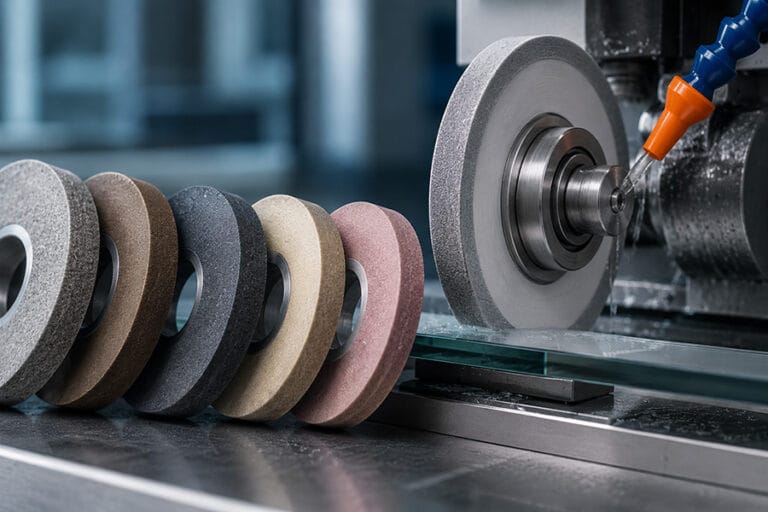
Whether you’re shaping ceramic tiles, finishing metal parts, or cutting stone slabs, the edge grinding wheel you…
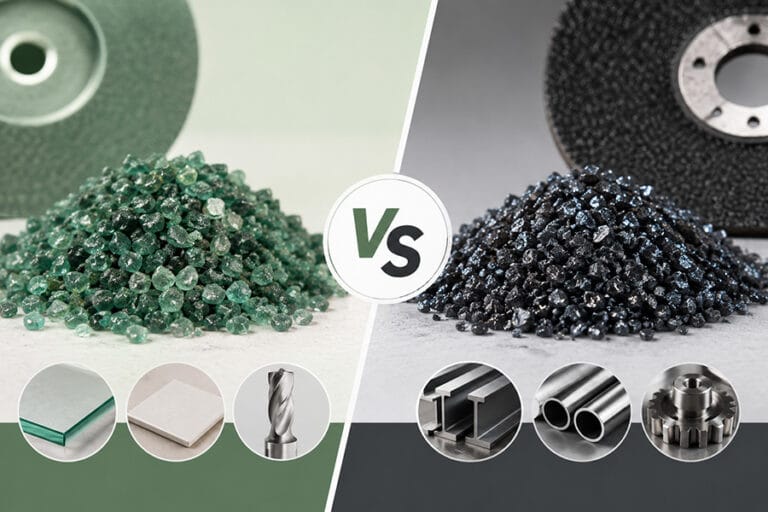
실리콘 카바이드 (SiC) is one of the hardest and most versatile abrasive materials in the world. But…
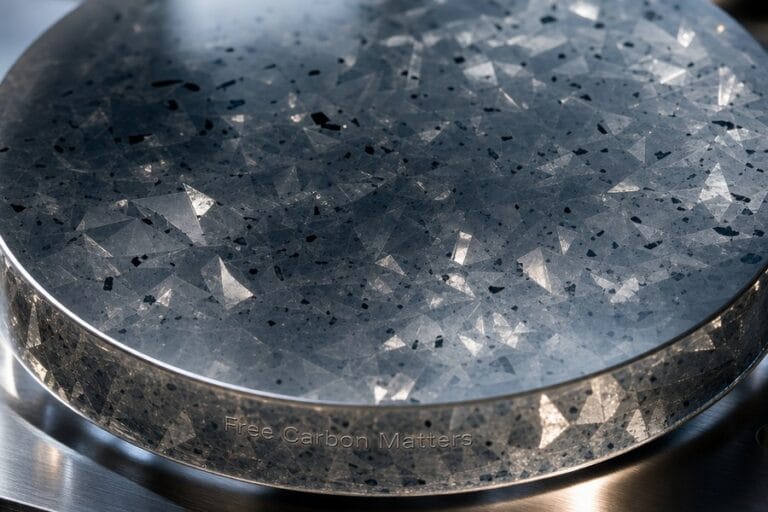
Free carbon in silicon carbide is a frequently overlooked impurity that causes measurable problems in sintering, electrical performance, refractory durability, and abrasive consistency. This article explains the formation mechanisms, grade-specific thresholds, measurement methods, and procurement practices engineers need to control it effectively.
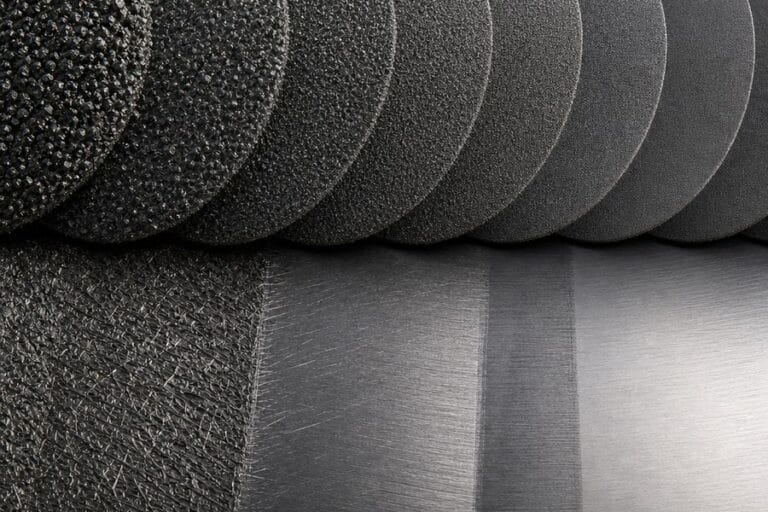
Selecting the wrong grit size for silicon carbide abrasive operations can push components outside dimensional tolerance, initiate fatigue cracking, or force expensive rework. This guide maps SiC grit sizes to achievable Ra values across common engineering materials, outlines correct multi-stage sequencing logic, and identifies the process variables that shift surface finish outcomes in production.
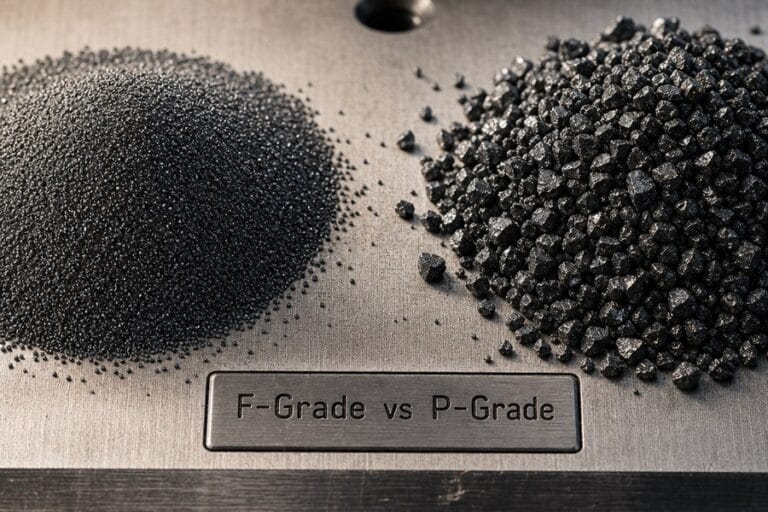
F-grade and P-grade silicon carbide share the same grit numbers but follow different FEPA standards with meaningfully different particle size tolerances. This article explains the technical distinctions, maps each grade to its correct application, and outlines what procurement teams should verify before accepting a supplier’s grade declaration.

A supplier certificate showing 98.5% SiC purity tells only part of the story — free carbon, polytype ratio, and trace metals below 100 ppm often go unreported yet directly drive refractory failures and sintering defects. This article explains what each analytical method actually measures, which critical parameters standard COAs omit, and what supplementary documentation to require before approving any SiC shipment.
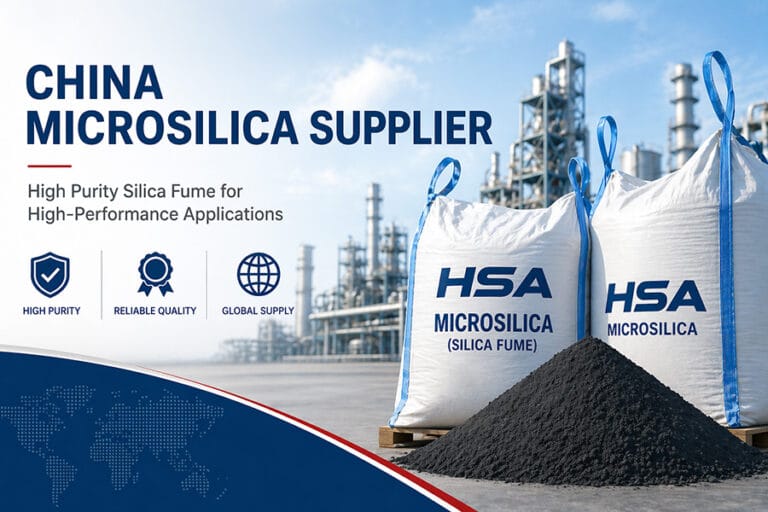
When engineers and procurement managers source microsilica (also called silica fume) for high-performance concrete, oil well cementing,…

Metakaolin has gained significant traction across concrete production, geopolymer applications, decorative building materials, and specialty coatings. 하지만,…
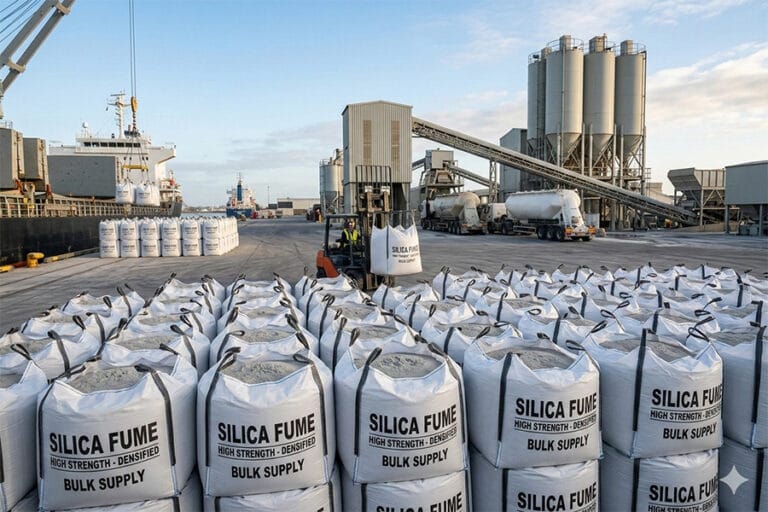
In large-scale global infrastructure, high-rise buildings, and marine engineering, silica fume (also known as microsilica) has become…
콘텐츠 끝
콘텐츠 끝
봉사 된 국가
파트너
자랑스러운 고객